
If you’re someone who prefers staying up late rather than turning in early, this message is for you.
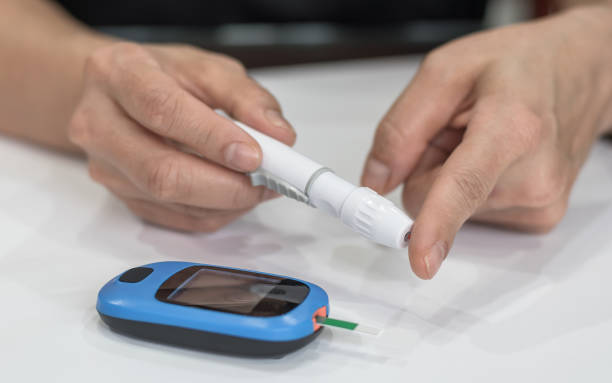
New research has revealed a surprising link between late-night tendencies and an increased risk of developing type 2 diabetes.
This study highlights how being a night owl could be putting your health at risk, even if your lifestyle choices seem relatively healthy.
The research, presented at the annual meeting of the European Association for the Study of Diabetes, shows that people who stay up late are nearly 50% more likely to develop type 2 diabetes than early risers.
You might think this is simply due to unhealthy habits often associated with late nights, like snacking or skipping morning exercise.
But the findings go deeper than that.
Even after accounting for factors like poor diet, lack of exercise, smoking, drinking, and poor sleep, the increased risk remained.
So, what’s really happening here?
It all comes down to your body’s internal clock, also known as your circadian rhythm.
For night owls, this natural cycle is often out of sync with the typical workday and social schedules that are structured around early mornings.
This misalignment can cause metabolic disruptions, leading to an increased risk of diabetes.
There’s another critical factor to consider: light exposure.
While we often hear about the dangers of too much sun, not getting enough sunlight can also have harmful effects on your health.
Many night owls end up missing out on essential morning sunlight, which plays a key role in maintaining a balanced circadian rhythm and metabolic system.
This lack of light exposure can further throw your body’s natural rhythms off course, creating a higher risk for metabolic issues.
If you’re concerned about your health as a night owl, there are steps you can take to help realign your body clock and reduce your risk.
Start by gradually shifting your sleep schedule.
Try going to bed and waking up just 15 minutes earlier each day until you reach a schedule that works better with your daily routine.
Getting natural sunlight in the morning is also essential for resetting your internal clock, so aim to spend some time outside early in the day.
Sticking to consistent sleep and wake times, even on weekends, can help maintain a steady circadian rhythm.
Be mindful of light exposure in the evening as well, using blue light filters on your devices and investing in blackout curtains for your bedroom.
You should also try to schedule your workouts for the morning or early afternoon, as late-night exercise can make it harder to fall asleep.
Limiting caffeine, especially in the afternoon and evening, will also help regulate your sleep patterns.
Creating a relaxing bedtime routine and making sure your sleep environment is cool, dark, and quiet are other good ways to promote better sleep.
If you’re still struggling with sleep, you might want to talk to your doctor about melatonin supplements, which can help regulate your sleep-wake cycle.
For those who can’t shift their late-night habits due to work or personal reasons, paying extra attention to your diet, exercise routine, and sleep habits is crucial for minimizing the potential metabolic harm.
You can also consider using artificial lights in the morning, such as sunlight simulation lamps or light bulbs, to help regulate your circadian rhythm.
Taking these steps can help you reduce your risk of diabetes and improve your overall health, even if your natural preference is to stay up late.