
Dogs love to go for walks not just to relieve themselves, but for physical and mental stimulation.
As your dog’s best friend, it’s important to keep this in mind, especially if you tend to walk your dog when you’re in a rush, feeling tired, or distracted.
When we teach our dogs how to behave on the leash, we often focus on their actions. But have you ever thought about how your dog would rate your walking performance?
Believe it or not, we can be just as responsible for bad behavior during walks as our pets.
There are several common mistakes pet owners make while walking their dogs that can actually steal the joy of the walk for their furry companions.
One of the biggest mistakes is when you put your pet on ignore.
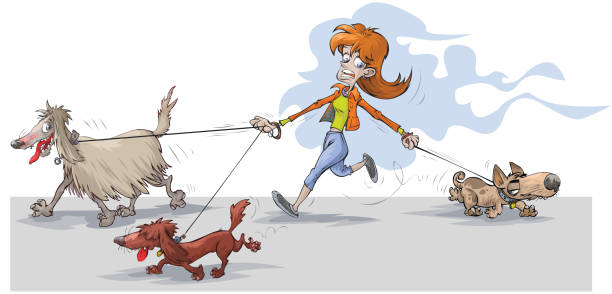
It’s easy to fall into the routine of walking your dog without paying much attention to them.
But this can be dangerous for your dog, who may be distracted by potential hazards like harmful objects or unfamiliar dogs.
When you focus on your dog and stay aware of your surroundings, you can respond quickly if something unexpected happens, ensuring both of you stay safe.
Another mistake is multi-tasking during walks, which usually means using a cellphone.
Talking on the phone or texting while walking leaves you distracted, and only one hand is available for your dog.
If you’re listening to a podcast or scrolling through social media, your attention is not where it needs to be on your dog.
Multi-tasking is often ineffective, and when it comes to walking your dog, it’s best to focus on the activity at hand.
Your dog also enjoys sniffing during walks, but many pet owners discourage this behavior.
Smell is your dog’s primary sense, and just like we use our eyes to explore the world, dogs rely on their noses to navigate their environment.
Imagine taking a walk with your eyes half-closed. It would feel unnatural, boring, and frustrating.
That’s how it feels for your dog when they can’t stop and sniff.
Instead of constantly pulling them along, try letting them pause and explore. This helps stimulate their minds and satisfies their natural instincts.
Choosing the wrong collar, harness, or leash can also impact your dog’s walk.
Certain dogs, especially those prone to pulling or with neck issues, should wear harnesses instead of collars.
Choke collars and outdated training devices should be replaced with safer alternatives, such as a head collar or no-pull harness.
When you use retractable leashes, it can be dangerous for both you and your dog, so it’s best to stick with a flat leash that is no longer than six feet.
To get the most out of your dog walks, change things up to keep both you and your dog engaged.
Dogs, like people, can get bored with the same routine, so try different types of walks.
Purposeful walks are short and have a specific goal, like taking your dog to their potty spot.
Training walks are an excellent opportunity to work on leash manners, obedience, or socialization, and you can reward your dog with treats for their good behavior.
Power walks are great for exercise, helping your dog maintain a healthy weight and stay fit.
To ensure your dog stays in good physical shape, aim for at least three walks a week, with some intensity to elevate their heart rate.
Mentally stimulating walks allow your dog to stop and explore, providing the mental exercise they need.
If you want to take it a step further, consider a “sniffari.”
On a sniffari, your dog leads the way and gets to explore whatever catches their attention.
Change-of-scenery walks are also exciting for your dog.
Instead of walking the same route, drive to a different location to offer fresh experiences and new smells.
Group walks with other dogs can be a great way to socialize while getting exercise.
Lastly, involving different family members in your dog’s walks adds variety and strengthens the bond between your dog and each family member.
If you’re unable to walk your dog due to time constraints, consider hiring a professional dog walker or asking a friend or neighbor for help.
Most importantly, always give your dog your full attention during walks.
Put down your phone and focus on the joy of the moment with your pet.
Your dog will appreciate the time and attention, and your walks will be more enjoyable for both of you.