
Constipation is a common issue affecting many individuals, particularly in the United States, where it leads to approximately 8 million doctor visits each year.
It can be caused by various factors, including dietary habits, lifestyle choices, medications, and underlying medical conditions.
In some cases, the cause remains unknown, a condition referred to as chronic idiopathic constipation.
The symptoms of constipation typically include having fewer than three bowel movements per week, passing hard, dry, or lumpy stools, experiencing difficulty or pain during bowel movements, and feeling that not all stool has been eliminated.
The effects of constipation can significantly impact one’s quality of life, along with physical and mental well-being.
Fortunately, there are numerous natural approaches to relieve constipation that can be implemented in the comfort of home.
Here are several scientifically supported remedies to help alleviate this common problem.
First and foremost, staying hydrated is essential.
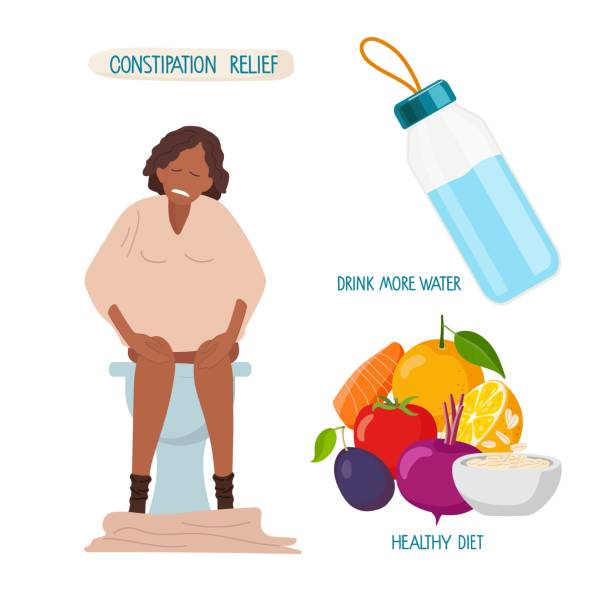
Dehydration is a known contributor to constipation.
To combat this, individuals should ensure they drink sufficient water throughout the day.
Some may find relief by consuming carbonated water, which has been found to be particularly effective for those suffering from constipation.
However, sugary carbonated beverages should be avoided, as they can worsen the condition.
Next, increasing dietary fiber intake is another vital strategy for alleviating constipation.
Healthcare professionals frequently recommend boosting fiber consumption to enhance stool bulk and facilitate smoother bowel movements.
There are two primary types of dietary fiber: soluble and insoluble.
Soluble fibers, such as those found in oats and certain fruits, absorb water and help soften stools, while insoluble fibers contribute to stool bulk.
Non-fermentable soluble fibers, like psyllium, have shown to be particularly effective.
Moreover, engaging in regular physical activity can also help alleviate constipation.
Studies have indicated that sedentary lifestyles correlate with an increased risk of constipation.
Incorporating moderate exercise, such as brisk walking or swimming, may enhance digestive function and improve bowel movement frequency.
Additionally, drinking coffee can stimulate the digestive tract and promote the urge to use the restroom.
Caffeinated coffee has been noted to stimulate gut muscles more effectively than water or decaffeinated coffee.
For some individuals, this can be a helpful addition to their daily routine.
Another remedy is the use of Senna, an herbal laxative that can promote bowel movements.
Senna is widely available and can be a safe option for short-term relief.
Consulting a healthcare provider before use is advised, particularly for pregnant individuals or those with certain medical conditions.
Probiotics, which are beneficial bacteria that support gut health, may also aid in preventing chronic constipation.
These can be consumed through probiotic-rich foods like yogurt or sauerkraut or taken as supplements.
Research suggests that probiotics can help balance gut bacteria and improve bowel movements.
Over-the-counter or prescription laxatives are also options for those seeking immediate relief.
There are various types available, including bulking agents, stool softeners, stimulant laxatives, and osmotic laxatives.
Consulting a healthcare professional can help determine the most appropriate option based on individual needs.
Implementing a low FODMAP diet may also be beneficial for individuals with irritable bowel syndrome, as it helps manage digestive symptoms, including constipation.
This dietary approach involves reducing high FODMAP foods and gradually reintroducing them to identify triggers.
Consuming glucomannan, a type of soluble fiber from konjac, can also be helpful for some people experiencing constipation.
It is available as a supplement or in the form of shirataki noodles.
Incorporating prebiotic foods into the diet is another effective method to improve digestive health.
Prebiotics serve as nourishment for beneficial gut bacteria, which can enhance digestion and promote regular bowel movements.
Magnesium citrate, an over-the-counter supplement, can help relieve constipation as well.
This remedy is often used in larger doses to prepare the bowel for medical procedures but can also be effective in smaller amounts.
Prunes are frequently hailed as a natural laxative due to their high fiber content and the presence of sorbitol, a sugar alcohol known for its laxative properties.
Regular consumption of prunes may provide an accessible and effective solution for constipation relief.
Lastly, individuals who suspect a dairy intolerance may benefit from temporarily eliminating dairy products from their diet, as this can exacerbate constipation symptoms.
If constipation persists despite trying these remedies, it is crucial to seek medical advice to identify underlying causes and determine effective treatment options.
Implementing these natural home remedies can provide significant relief and improve digestive health.