
Research indicates that incorporating specific foods into your diet can significantly lower blood pressure.
A diet rich in fruits, vegetables, nuts, and oily fish can lead to long-term health benefits.
High blood pressure, also known as hypertension, poses risks for serious conditions like heart disease, stroke, and kidney disease.
Thus, dietary changes, medications, and lifestyle adjustments can effectively manage blood pressure levels.
This email outlines various foods that can help lower blood pressure, providing insights based on scientific evidence.
Fruits such as kiwi and oranges are excellent choices.
Leafy green vegetables and beets are also beneficial.
Nuts, including pistachios and walnuts, contribute to heart health.
Oily fish like mackerel can support cardiovascular wellness.
Incorporating spices such as cinnamon can enhance the benefits of these foods.
Let’s delve into some specific foods known for their blood pressure-lowering properties.
Berries, particularly blueberries and strawberries, are rich in anthocyanins, which are antioxidant compounds.
A recent review highlighted that anthocyanins can potentially reduce blood pressure, though more extensive studies are needed to solidify these findings.
To enjoy berries, consider eating them as snacks, adding them to smoothies, or sprinkling them on oatmeal.
Bananas are another excellent option due to their high potassium content.
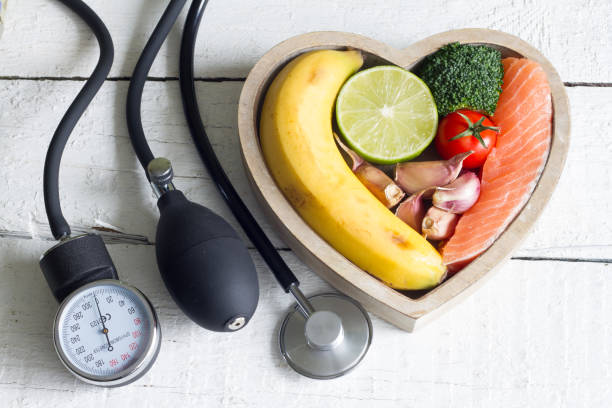
A medium banana contains around 422 milligrams of potassium.
Potassium helps counteract sodium’s effects and relaxes blood vessels.
Consuming one large banana or a cup of sliced bananas can contribute positively to your potassium intake.
Beets are notable for their dietary nitrates, which may help lower blood pressure.
A systematic review suggested that drinking beet juice could effectively reduce systolic blood pressure in individuals with hypertension.
You can consume beets in salads, side dishes, or as juice for the best benefits.
Dark chocolate is another surprising entry on this list.
The flavonoids found in cacao may help reduce blood pressure.
However, moderation is key; small amounts should be consumed for enjoyment rather than as a health remedy.
Kiwis are beneficial as well, with studies indicating that eating two kiwis daily can lead to reduced systolic blood pressure.
These fruits are also high in vitamin C, another element linked to lowering blood pressure.
You can easily incorporate kiwis into your diet by adding them to smoothies or salads.
Watermelon contains citrulline, an amino acid that helps produce nitric oxide, promoting healthy blood flow.
Studies have shown that watermelon juice may lower systolic blood pressure.
You can enjoy watermelon as juice, in fruit salads, or even in smoothies.
Oats provide another healthy option.
They contain beta-glucan, a type of soluble fiber known to support heart health.
Eating a bowl of oatmeal for breakfast or incorporating rolled oats into recipes can yield positive results.
Leafy green vegetables are vital for blood pressure management.
Research indicates that consuming at least one cup daily can significantly lower blood pressure levels.
Options like kale, spinach, and collard greens are all excellent choices.
Garlic is not only a flavorful addition to meals but also has been shown to reduce blood pressure.
Its active component, allicin, provides numerous health benefits.
Adding garlic to your cooking can enhance flavor and promote better heart health.
Fermented foods rich in probiotics, such as kimchi and yogurt, may also contribute to blood pressure management.
Research has suggested a link between fermented soy foods and lower hypertension risk in women, particularly postmenopausal women.
Lentils and other pulses are also beneficial.
These foods are high in protein and fiber, which can improve blood vessel function and overall heart health.
A regular intake of legumes can help reduce hypertension risk.
Natural yogurt, particularly unsweetened varieties, has been associated with lower blood pressure among those with hypertension.
Including yogurt in meals or snacks can promote a healthier diet.
Pomegranates are rich in antioxidants that may also help lower blood pressure.
Daily consumption of pomegranate juice has shown promising results in clinical trials.
Cinnamon can be another helpful addition to your diet, with studies suggesting it may modestly reduce blood pressure when consumed regularly.
Nuts are not only nutritious but can also help manage blood pressure.
Regular consumption of nuts, especially walnuts, has been linked to improved heart health.
Citrus fruits, rich in hesperidin, are also beneficial for blood pressure.
Incorporating orange juice or whole citrus fruits into your diet can yield positive results.
Oily fish, like salmon and sardines, provide omega-3 fatty acids that may lower blood pressure and improve heart health.
Lastly, tomato extract, high in lycopene, has shown potential for significantly reducing blood pressure in some studies.
While focusing on beneficial foods, it is equally important to be aware of what to avoid.
Limiting salt intake is crucial, as excessive sodium can contribute to high blood pressure.
Additionally, while moderate caffeine consumption can have some health benefits, high levels may increase blood pressure.
Regular alcohol consumption has also been linked to higher blood pressure levels, so moderation is advised.
Processed foods often contain high levels of salt and unhealthy fats, making them a poor choice for those managing hypertension.
In summary, dietary choices play a crucial role in managing high blood pressure.
Focusing on a balanced diet rich in fruits, vegetables, nuts, and whole grains can promote heart health.
By avoiding excessive salt, alcohol, and processed foods, individuals can significantly impact their blood pressure levels.
For tailored guidance, consulting with a healthcare provider is advisable to create a comprehensive plan that includes dietary changes and lifestyle modifications.