
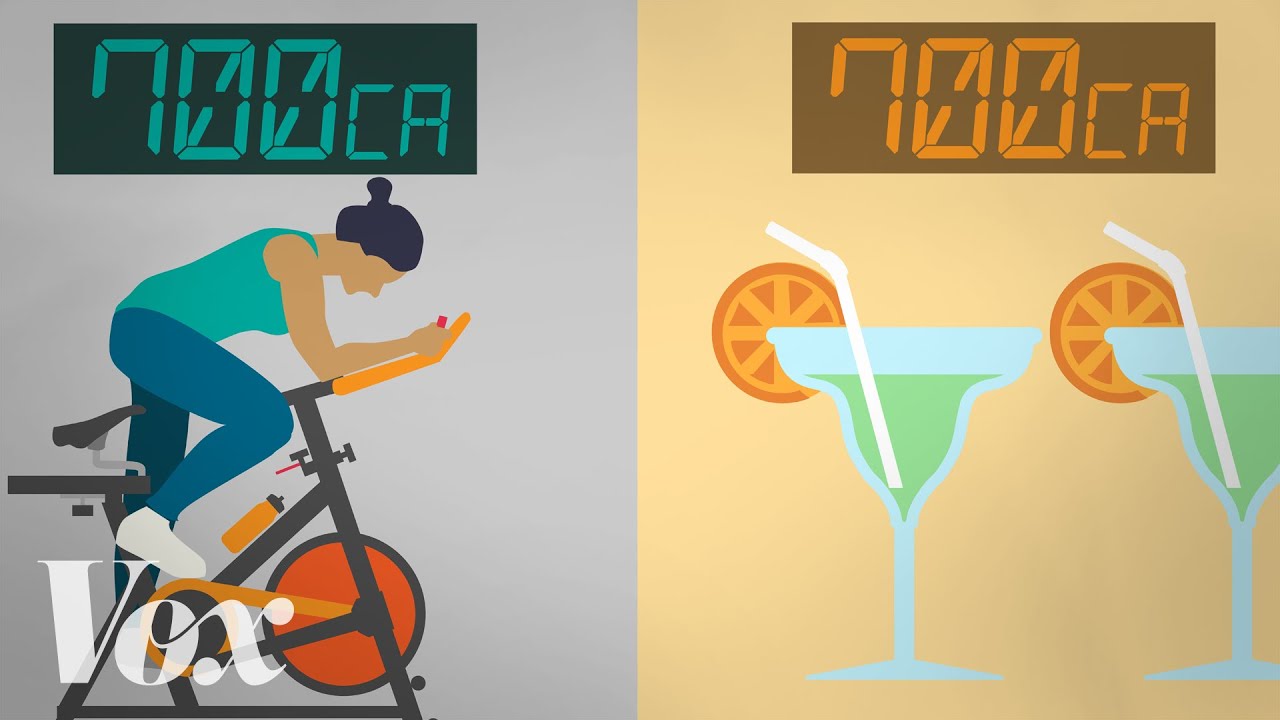
For years, we’ve been told that exercise is the golden ticket to weight loss. We see countless ads promoting workout programs promising shredded abs and a slimmer physique. Gym memberships are marketed as investments in our health and a path to a better body. But what if the science behind this widely accepted idea isn’t as straightforward as we think? What if all those hours spent sweating on the treadmill aren’t actually the most effective way to shed those extra pounds?
This video delves into the surprising truth about exercise and weight loss. It challenges the conventional wisdom that equates physical activity with significant weight reduction. While exercise undoubtedly offers a plethora of health benefits, including improved cardiovascular health, increased strength and endurance, and enhanced mood, its impact on weight loss might be less substantial than many believe. The video dissects the complexities of metabolism, energy expenditure, and the role of diet in achieving sustainable weight loss. It explores why relying solely on exercise as a weight loss strategy can be frustrating and ultimately ineffective for many individuals.
The key takeaway isn’t that exercise is bad for you; quite the opposite. It’s about understanding the nuanced relationship between exercise, diet, and weight loss. It’s about recognizing that while exercise plays a crucial role in overall health and well-being, it’s often dietary changes that have the most significant impact on the number on the scale. The video encourages a more holistic approach to weight management, one that prioritizes nutrition while still incorporating exercise for its numerous health advantages.
This exploration aims to provide a more realistic and evidence-based perspective on weight loss, empowering viewers to make informed decisions about their health and fitness journeys. By understanding the limitations of exercise as a primary weight loss tool, individuals can focus their efforts on strategies that are more likely to yield sustainable and positive results. This video serves as a valuable resource for anyone seeking to navigate the often-confusing world of weight loss and achieve their health goals in a more effective and informed manner.
Key Takeaways
- Exercise is fantastic for your overall health, improving cardiovascular function, strength, and mood.
- However, exercise alone is often not the most effective way to lose weight.
- Diet plays a significantly larger role in weight loss than exercise for most people.
- Our bodies are incredibly efficient at adapting to exercise, meaning we burn fewer calories over time with the same activity.
- It’s easy to overestimate the number of calories burned during exercise and to compensate by eating more.
- Focusing on a healthy diet, alongside exercise, is the most sustainable approach to weight management.
- Weight loss is complex and influenced by various factors, including genetics, hormones, and lifestyle.
- Don’t give up on exercise! Continue to engage in physical activity for its many health benefits, even if it’s not the primary driver of your weight loss.
The Energy Balance Equation: Not So Simple
The fundamental principle behind weight loss is the energy balance equation: calories in versus calories out. If you consume fewer calories than you burn, you lose weight. Conversely, if you consume more calories than you burn, you gain weight. While this equation seems straightforward, the reality is far more complex. Our bodies are not simple machines, and the way we process and utilize energy is influenced by a multitude of factors.
Exercise is often touted as a way to increase the ‘calories out’ side of the equation. However, the number of calories burned during exercise is often overestimated. Many fitness trackers and gym equipment displays provide inflated estimates, leading people to believe they’ve burned far more calories than they actually have. This can lead to overeating after a workout, effectively negating any calorie deficit achieved through exercise.
Furthermore, our bodies are remarkably efficient at adapting to exercise. As we become more fit, our bodies require less energy to perform the same activity. This means that over time, we burn fewer calories during the same workout. This adaptation is a testament to our body’s efficiency, but it also highlights the limitations of relying solely on exercise for weight loss. To continue burning the same number of calories, we need to constantly increase the intensity or duration of our workouts, which can be challenging and unsustainable in the long run.
The Role of Diet: The Undisputed Champion
While exercise plays a role in energy expenditure, diet is the undisputed champion when it comes to weight loss. Controlling your calorie intake is far more effective than trying to burn off excess calories through exercise alone. It’s simply easier to reduce calorie consumption than it is to burn a significant number of calories through physical activity.
Consider this: a single slice of pizza can contain upwards of 300 calories. To burn off those calories, you might need to run for 30-45 minutes at a moderate pace. It’s far easier to simply skip the slice of pizza or opt for a healthier alternative. This illustrates the power of dietary changes in achieving a calorie deficit and promoting weight loss.
Furthermore, the types of foods we eat also play a crucial role in weight management. Processed foods, sugary drinks, and unhealthy fats are often high in calories and low in nutrients, contributing to weight gain. Conversely, whole, unprocessed foods like fruits, vegetables, lean proteins, and whole grains are nutrient-dense and can help us feel full and satisfied, making it easier to maintain a healthy weight.
The Compensatory Effect: Why We Eat More After Exercise
One of the biggest challenges in using exercise for weight loss is the compensatory effect. This refers to the tendency to eat more after exercising, often negating the calories burned during the workout. There are several reasons why this happens. Exercise can stimulate appetite, leading us to feel hungrier and more inclined to indulge in unhealthy foods.
We also tend to overestimate the number of calories we’ve burned during exercise, giving ourselves permission to eat more. This can lead to a vicious cycle of exercising, overeating, and ultimately, not losing weight. Furthermore, exercise can sometimes lead to a decrease in non-exercise activity thermogenesis (NEAT), which refers to the calories we burn through activities outside of planned exercise, such as fidgeting, walking around, and doing household chores. After a strenuous workout, we might be more inclined to sit around and relax, reducing our overall energy expenditure.
To combat the compensatory effect, it’s important to be mindful of our eating habits after exercise. Focus on consuming nutrient-rich foods that will help us recover and refuel without adding excess calories. Avoid rewarding ourselves with unhealthy treats and be aware of our hunger cues. By being more conscious of our eating habits, we can prevent the compensatory effect from sabotaging our weight loss efforts.
Beyond Calories: The Hormonal Impact of Food
While calorie counting can be helpful, it’s important to remember that weight loss is not just about calories in versus calories out. Hormones play a significant role in regulating our metabolism, appetite, and fat storage. The types of foods we eat can have a profound impact on our hormonal balance, influencing our ability to lose weight.
For example, processed foods and sugary drinks can cause rapid spikes in blood sugar, leading to insulin resistance and increased fat storage. Conversely, foods high in fiber and protein can help stabilize blood sugar levels, promote satiety, and support muscle growth. These hormonal effects highlight the importance of focusing on the quality of our food, not just the quantity.
Furthermore, certain hormones, such as leptin and ghrelin, play a crucial role in regulating appetite. Leptin is a hormone that signals satiety to the brain, while ghrelin is a hormone that stimulates hunger. Disrupted sleep, stress, and certain dietary patterns can interfere with the balance of these hormones, leading to increased hunger and weight gain. By prioritizing sleep, managing stress, and adopting a healthy diet, we can optimize our hormonal balance and support our weight loss efforts.
Exercise for Health, Not Just Weight Loss
It’s crucial to emphasize that while exercise might not be the most effective way to lose weight, it offers a plethora of health benefits that extend far beyond the number on the scale. Exercise improves cardiovascular health, reduces the risk of chronic diseases like diabetes and heart disease, strengthens bones and muscles, enhances mood, and improves cognitive function. These benefits are independent of weight loss and are essential for overall health and well-being.
Instead of viewing exercise solely as a weight loss tool, it’s more beneficial to approach it as a way to improve our overall health and quality of life. Find activities that you enjoy and that you can sustain in the long run. Whether it’s walking, running, swimming, dancing, or playing sports, engaging in regular physical activity is one of the best things you can do for your health.
Remember, the goal is not to punish yourself with grueling workouts to burn off calories, but rather to move your body in a way that feels good and that supports your overall well-being. By shifting our mindset from weight loss to health, we can cultivate a more positive and sustainable relationship with exercise.
A Holistic Approach to Weight Management
The most effective approach to weight management is a holistic one that combines a healthy diet with regular exercise and other lifestyle factors. This approach recognizes that weight loss is complex and influenced by a multitude of factors, including genetics, hormones, and lifestyle. It emphasizes the importance of making sustainable changes to our habits and behaviors, rather than relying on quick fixes or fad diets.
A healthy diet should be the foundation of any weight loss plan. Focus on consuming whole, unprocessed foods that are rich in nutrients and low in calories. Prioritize fruits, vegetables, lean proteins, and whole grains. Limit your intake of processed foods, sugary drinks, and unhealthy fats. Pay attention to portion sizes and be mindful of your eating habits.
Regular exercise is also an important component of a holistic weight management plan. While it might not be the primary driver of weight loss, it offers numerous health benefits and can help you maintain your weight over time. Find activities that you enjoy and that you can sustain in the long run. Aim for at least 150 minutes of moderate-intensity aerobic exercise or 75 minutes of vigorous-intensity aerobic exercise per week.
In addition to diet and exercise, other lifestyle factors, such as sleep, stress management, and social support, can also play a role in weight management. Prioritize getting enough sleep, managing stress through relaxation techniques, and connecting with supportive friends and family. By addressing all of these factors, you can create a sustainable and effective weight management plan that supports your overall health and well-being.
FAQ
Q: Does this mean exercise is useless for weight loss?
A: No! Exercise is incredibly beneficial for your overall health. It’s just not the *most* effective method for *weight loss* on its own. Think of it as a supporting player, not the leading role.
Q: So, what should I focus on for weight loss?
A: Diet is key. Focus on consuming fewer calories than you burn. Prioritize whole, unprocessed foods.
Q: What kind of diet is best for weight loss?
A: There’s no one-size-fits-all answer. Generally, a diet rich in fruits, vegetables, lean protein, and whole grains is a good starting point. Consult with a registered dietitian for personalized advice.
Q: How much exercise should I do?
A: Aim for at least 150 minutes of moderate-intensity aerobic exercise or 75 minutes of vigorous-intensity aerobic exercise per week, plus strength training exercises at least two days a week.
Q: What if I enjoy exercising? Should I stop?
A: Absolutely not! Keep exercising! It’s great for your health, regardless of its direct impact on weight loss.
Q: Is it possible to lose weight with exercise alone?
A: It’s possible, but it’s often difficult and requires a significant commitment to intense and consistent exercise. For most people, combining exercise with dietary changes is a more sustainable and effective approach.
Conclusion
The science is clear: while exercise is undeniably beneficial for overall health and well-being, it’s often not the most effective strategy for weight loss on its own. Diet plays a significantly larger role in achieving and maintaining a healthy weight. By understanding the limitations of exercise as a primary weight loss tool, individuals can focus their efforts on strategies that are more likely to yield sustainable results.
This doesn’t mean that exercise is unimportant. Quite the contrary! Exercise offers a plethora of health benefits that extend far beyond weight loss. It improves cardiovascular health, strengthens bones and muscles, enhances mood, and reduces the risk of chronic diseases. Exercise should be viewed as an integral part of a healthy lifestyle, but not necessarily as the sole solution for weight loss.
The most effective approach to weight management is a holistic one that combines a healthy diet with regular exercise and other lifestyle factors. This approach recognizes that weight loss is complex and influenced by a multitude of factors. By making sustainable changes to our habits and behaviors, we can achieve and maintain a healthy weight while improving our overall health and quality of life.
So, embrace exercise for its many health benefits, but don’t rely on it as the sole driver of your weight loss efforts. Focus on nourishing your body with a healthy diet, managing stress, prioritizing sleep, and building a supportive social network. By adopting a holistic approach, you can achieve your weight loss goals and live a healthier, happier life.